

One of the most common questions people ask is, "How much does a Shade Sail cost?" The answer depends on more than just the overall size.
What Determines the Cost of a Shade Sail?
Unlike many outdoor products, a quality custom Shade Sail is manufactured specifically for your space which means every quote is calculated based on the specifications of that particular sail. The final price is determined by fabric type, edge construction, total perimeter, number of corners, and the fixing hardware supplied with the sail.
A Shade Sail may look simple once it is installed, but there is a lot that goes into making one properly. Understanding what affects the cost makes it much easier to compare options and choose a Shade Sail that delivers lasting value.
Fabric Type:
The fabric you choose is the biggest contributor to the overall price of your sail.
Different shade fabrics offer different levels of UV protection, shade factors, colour options, and warranties. A stronger, higher-quality fabric will usually cost more than a more basic option; however, it will also provide better long-term performance and durability.
Choosing the right fabric should be based on the space, sun exposure and how the sail will be used rather than simply selecting the lowest price.
Read further details about our fabric types.
Edge Type:
The edge type of a Shade Sail is much more than a finished seam.
Different edge types require different materials and manufacturing time, so this forms part of the final cost. A properly constructed edge also helps the sail tension correctly and maintain its shape over many years of use.
Read further details about our different edging styles.
Total Perimeter
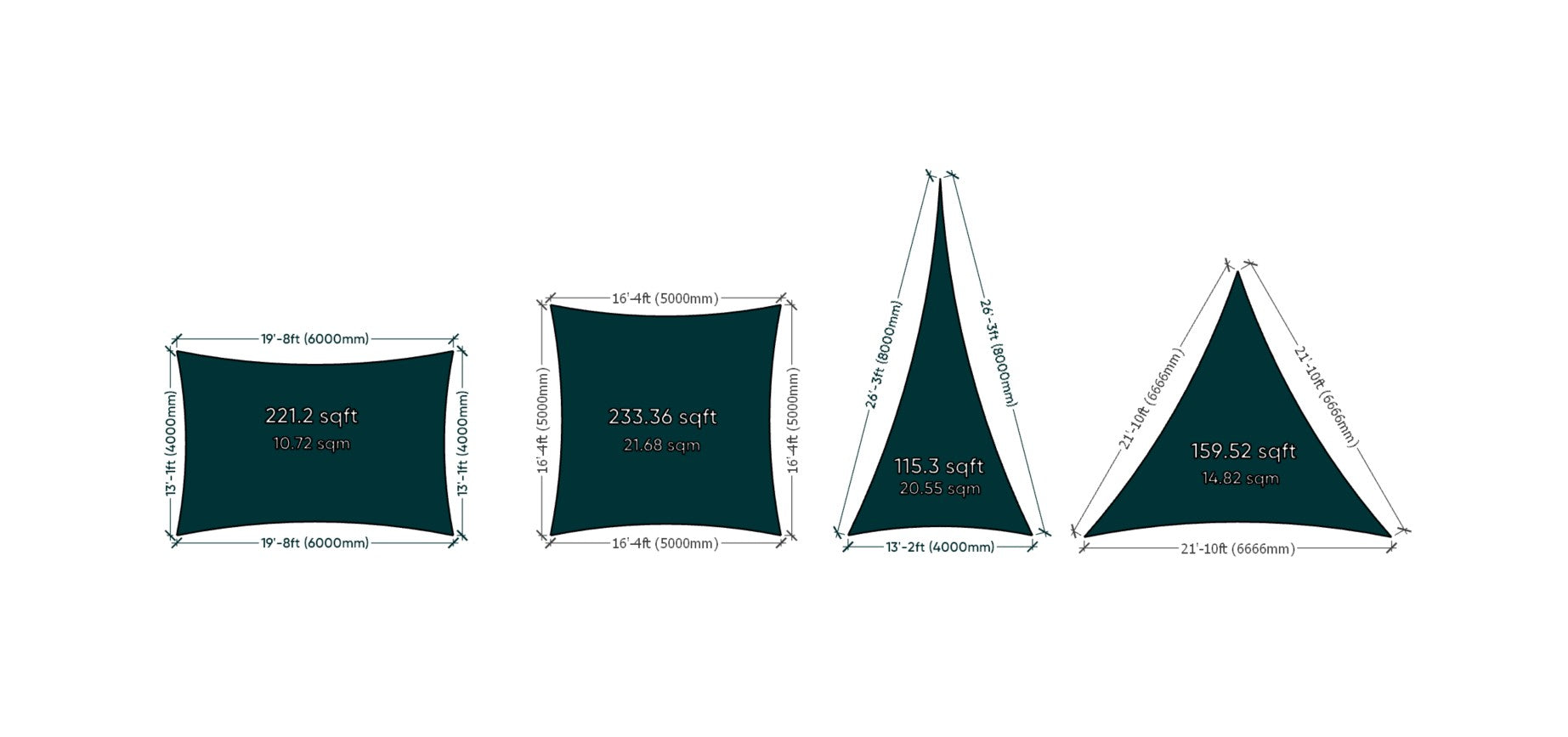
Many people assume the area of the sail determines the price, but in reality, the total perimeter is one of the key measurements used during manufacturing. The total perimeter is the combined length of all edges around the sail.
A larger perimeter means more edge work, more stitching, more reinforcement, and more manufacturing time all of which contribute to the overall cost.
This is why two sails with a similar overall area can still have different prices if their shapes are different.
Number of Corners
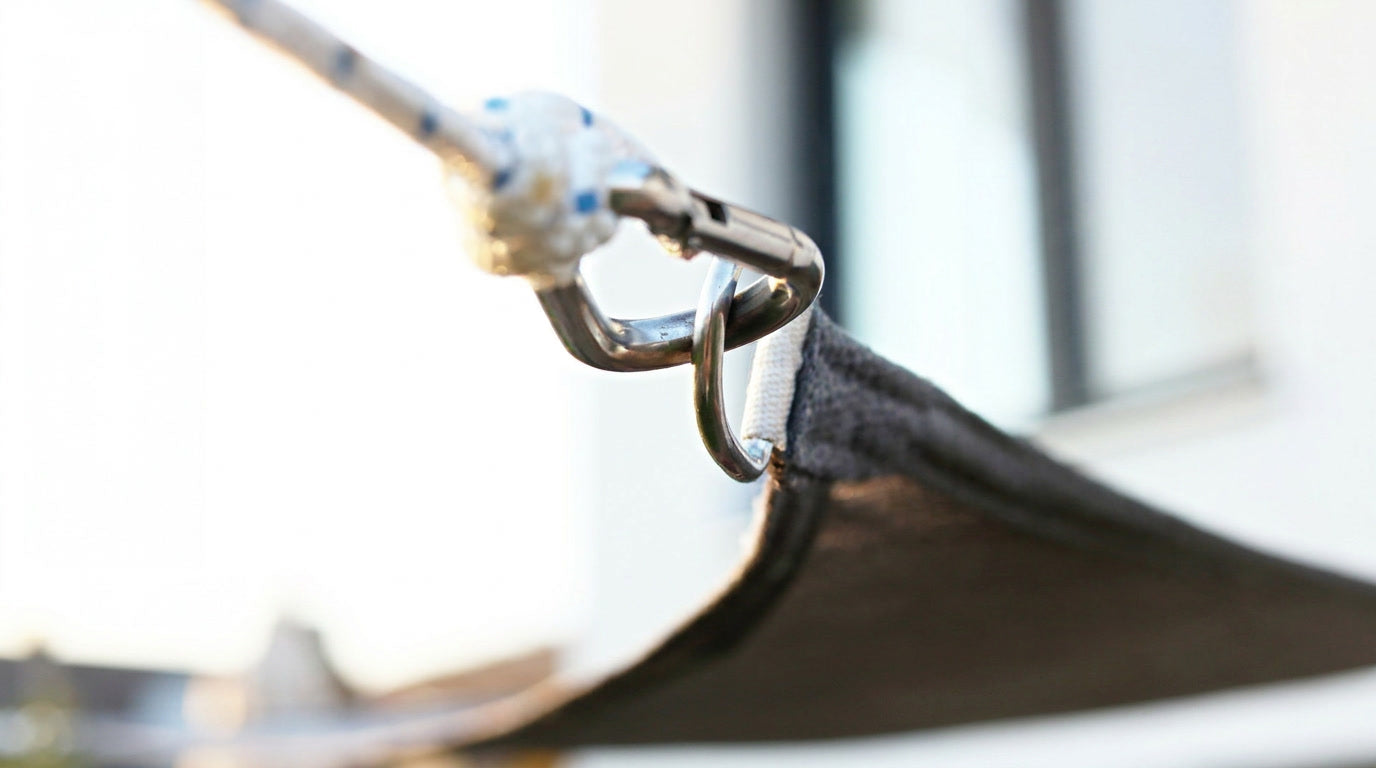
Every corner on a Shade Sail requires its own reinforcement and is manufactured to handle the loads placed on the sail. Additional corners increase material requirements and fabrication time due to extra reinforcing, which is reflected in the final price.
That doesn't mean fewer corners are always better. Additional corners are often required to create a sail that follows the shape of your outdoor area, work around obstacles, or provide better shade coverage where it's needed most.
A well-designed custom Shade Sail uses as many corners as necessary to achieve the desired shape, coverage, and performance while maintaining proper tension throughout the sail.
Read ‘What shape is best for a Shade Sail?’
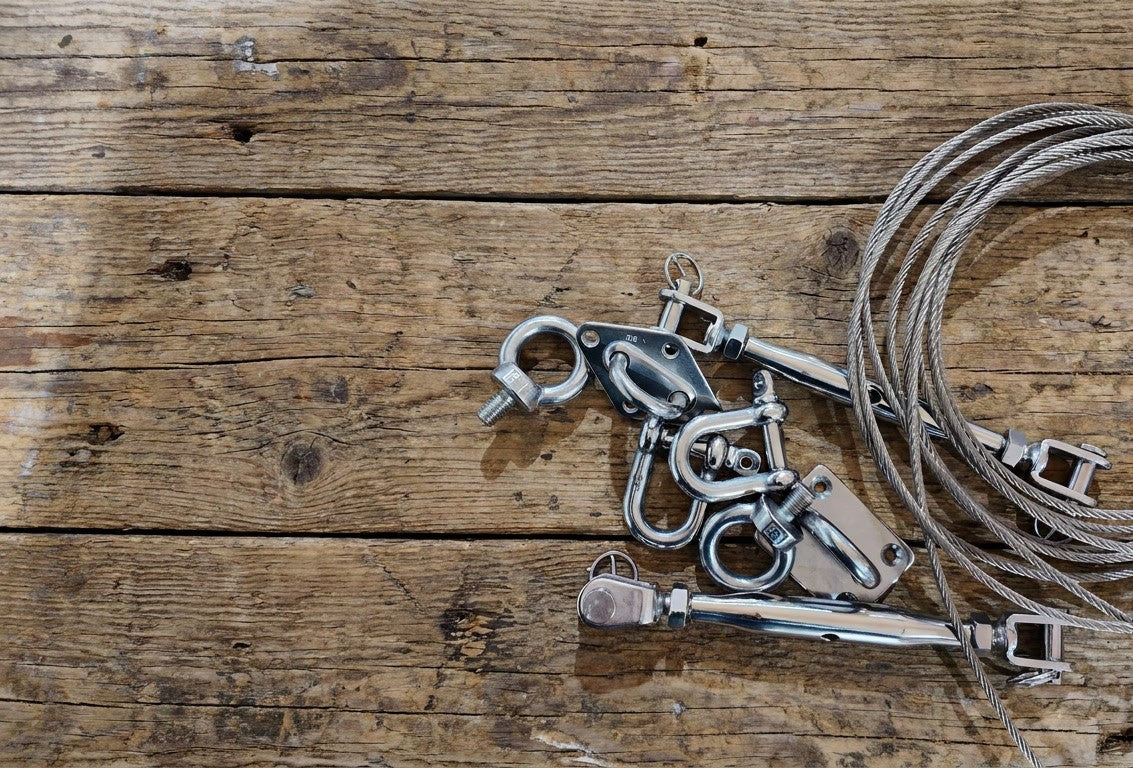
Fixing Hardware
The hardware supplied with your Shade Sail can also be included in the Custom Shade Sail pricing calculation.
Depending on your project, this may be one of our standard hardware kits, or you can select your own hardware e.g. turnbuckles or shackles as required.
The amount and type of hardware supplied will naturally influence the overall cost.
Selecting the right hardware is important for your Shade Sail to properly tension to perform well. Read our blog ‘How to Choose the Right Hardware for Your Shade Sail’ for guidance on hardware sizing.
Why Prices Can Vary So Much
It's common to see significant differences in Shade Sail pricing between suppliers.
While one sail may appear similar to another, differences in fabric quality, edge type, manufacturing quality and warranties all affect both the purchase price and the sail's long-term performance. These details matter once the sail is exposed to sun, wind, and constant outdoor conditions.
When comparing quotes, it's worth looking beyond the headline price and considering exactly what is included.
Final Thoughts
Shade Sail costs depend on more than just size.
The final price is calculated using the fabric type, edge type, total perimeter, number of corners, and the fixing hardware supplied. Understanding these factors makes it much easier to compare products and choose a Shade Sail that offers genuine long-term value rather than simply the lowest upfront price.
To plan your project, explore ShadeSpace’s guides on fabric options, edge types, corner hardware and installation to better understand how each choice influences both performance and overall cost of your Custom Shade Sail.


Share:
Why Carabiners Are Not Suitable for Shade Sails