



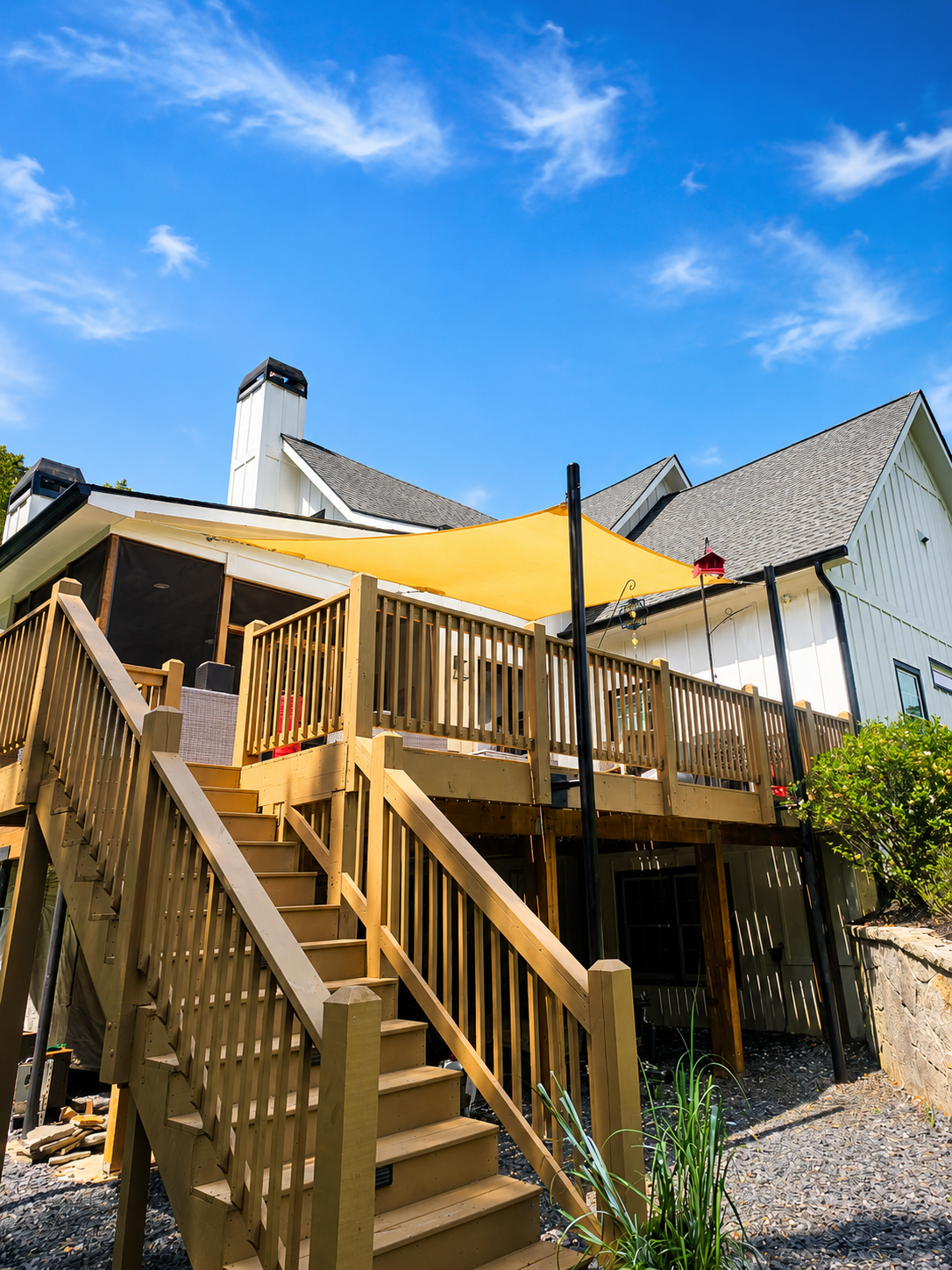
Designing shade for an elevated balcony can be challenging. Unlike a ground-level patio, a second-story balcony has limited fixing points along with greater wind-load and structural and considerations.
For a modern look, a Custom Shade Sail is often a strong option. It provides shade without the bulk of a roof structure and can add a clean architectural feature to the home while maintaining an open and spacious feel.
Why Elevated Balconies Require Careful Planning
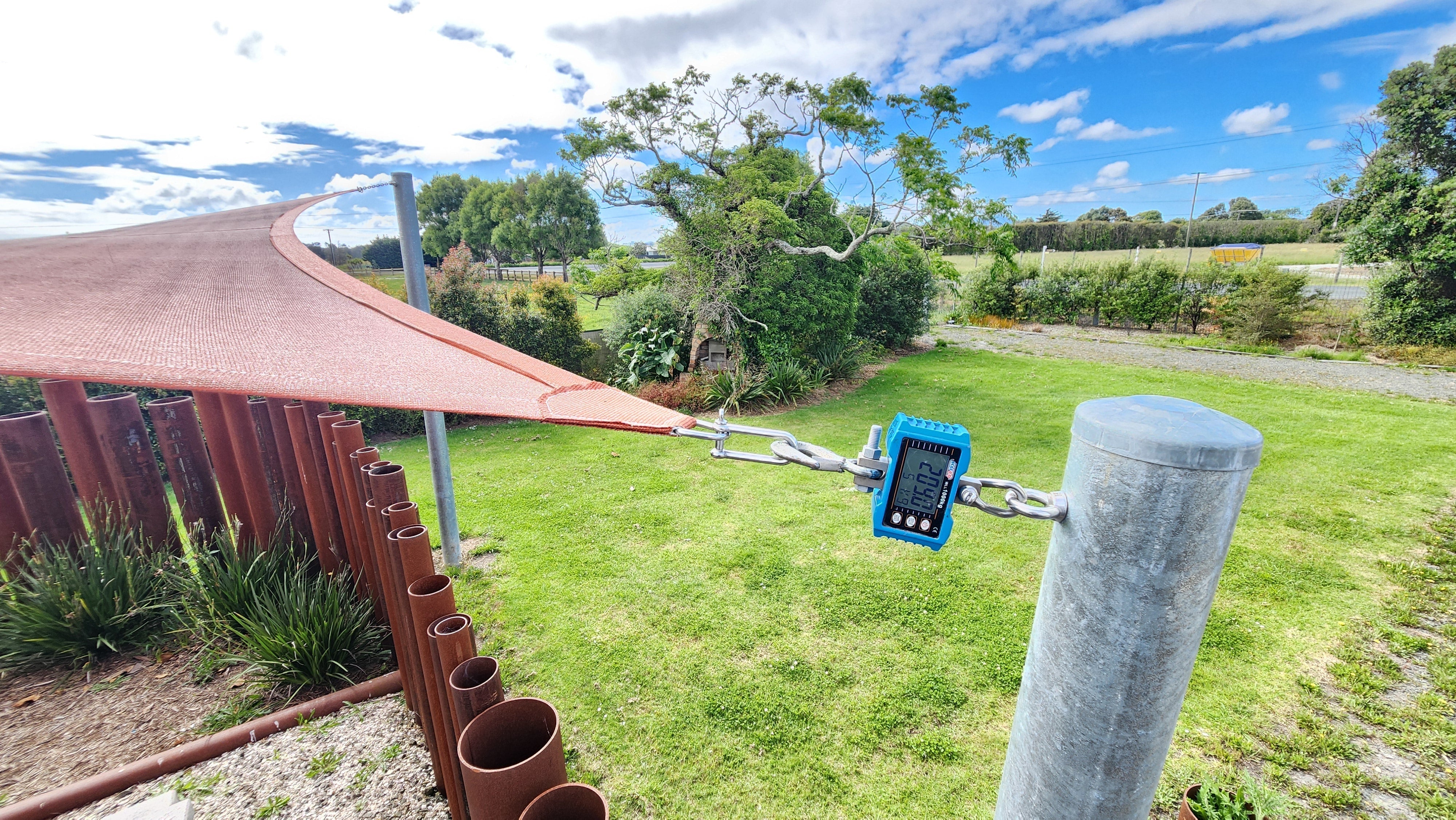
When designing a Shade Sail for a balcony, the sail itself is usually the easy part. The real challenge is creating strong fixing points capable of handling the tension and wind loads generated by the sail.
With elevated balconies, there are generally two approaches:
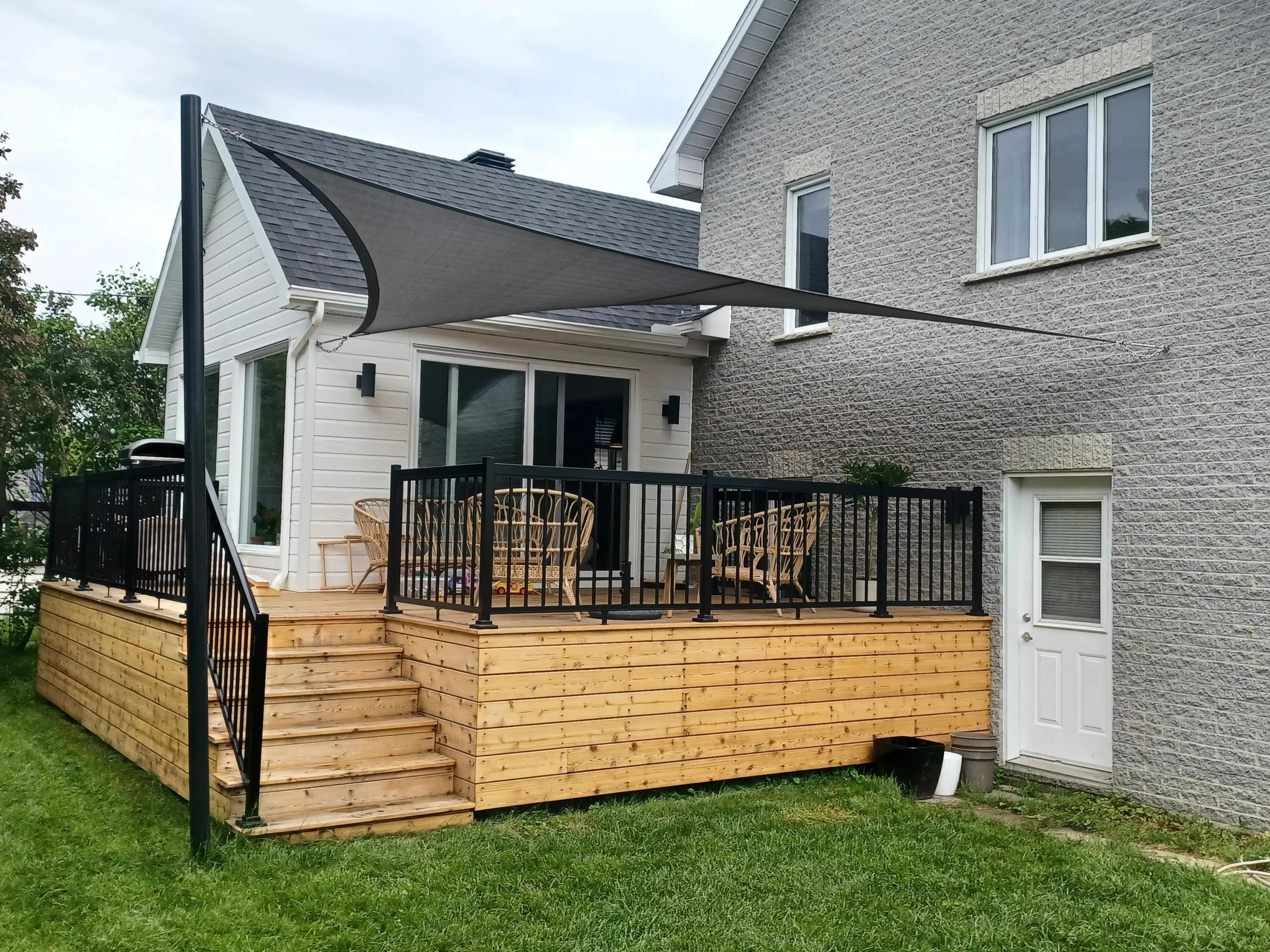
The first is to install support posts from the ground up and brace them back to the building structure. This helps create the strength needed to properly tension the Shade Sail. View our Poles & Footing Guide here.
The second is to build a freestanding structure that mounts to the Elevated Balcony and supports the Shade Sail without placing too much stress on the balcony itself. This approach often gives the cleanest modern result.
The right choice depends on the balcony layout, fixing points, sail size, post height, and the overall look you are wanting to achieve.
 |
Structure Come First
Posts, brackets, fixings, and attachment points must all be designed to support the loads & tension being transferred into those fixing points. For elevated balcony installations, it's important to have the supporting structure reviewed by a qualified engineer or experienced installer before construction begins.
Balcony railings, fence posts, timber balustrades, and lightweight structures should never be relied upon as primary fixing points for a permanent Shade Sail installation.

Conclusion
A Custom-Made Shade Sail can achieve this when tailored to the exact space, creating a solution that complements your property and provides lasting outdoor comfort for years to come.
Your Careful planning today can help create a stronger, better-looking Shade Sail tomorrow.




Share:
How to Measure Fixing Heights - A Step-by-Step Guide