



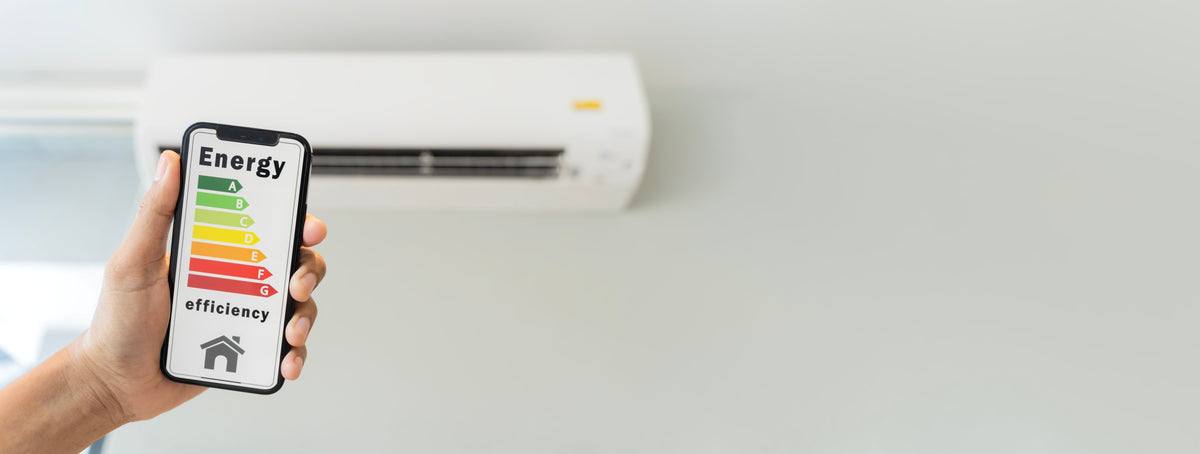
In hot and tropical climates, direct sun can make a noticeable difference to the temperature inside your home. This is especially true for east- and west-facing houses, where windows and walls can be exposed to strong sun for hours.
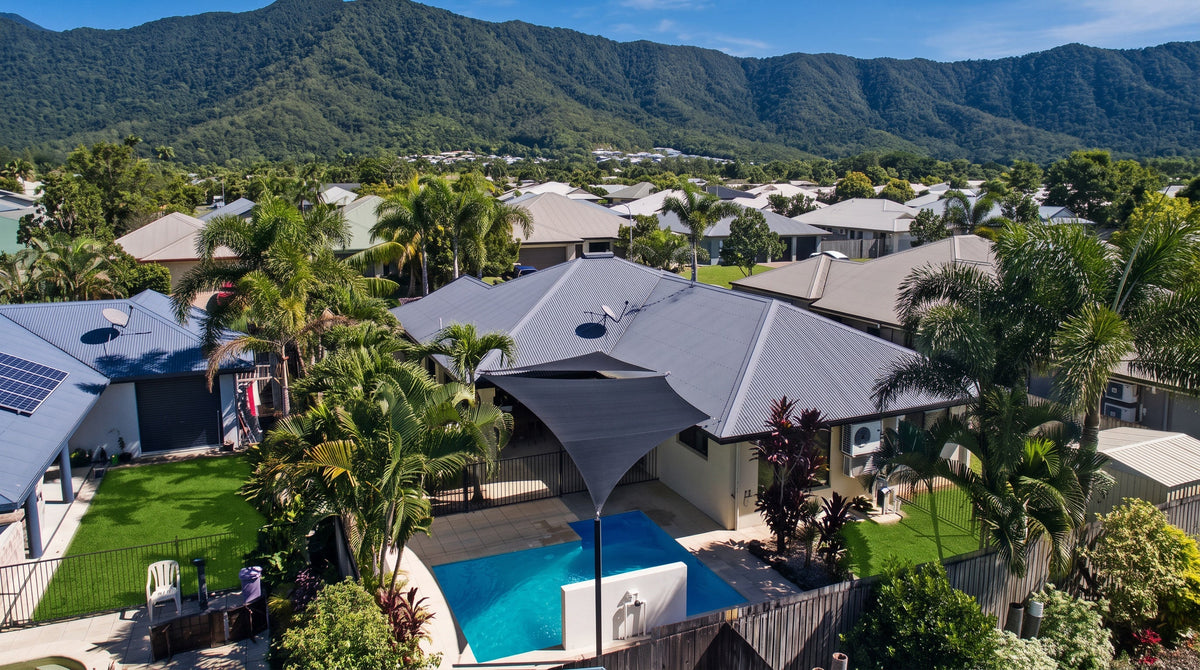
A well-positioned Shade Sail can help save you electricity by blocking direct sunlight before it reaches your windows, walls, and outdoor surfaces. That can reduce unwanted heat gain and, in an air-conditioned home, help reduce the amount of cooling required.
Why Shading Your Home Can Reduce Cooling Costs
When direct sunlight hits your house, it heats windows, walls, doors, concrete, paving, and other exposed surfaces.
Windows are particularly important. Solar energy passing through the glass contributes to heat gain inside the home, which your air conditioner then has to remove.
The U.S. Department of Energy recommends exterior shading as an effective way to reduce unwanted solar heat gain. In hot climates, stopping some of that sunlight outside the building makes more sense than allowing it to enter and relying entirely on air conditioning to deal with the resulting heat.
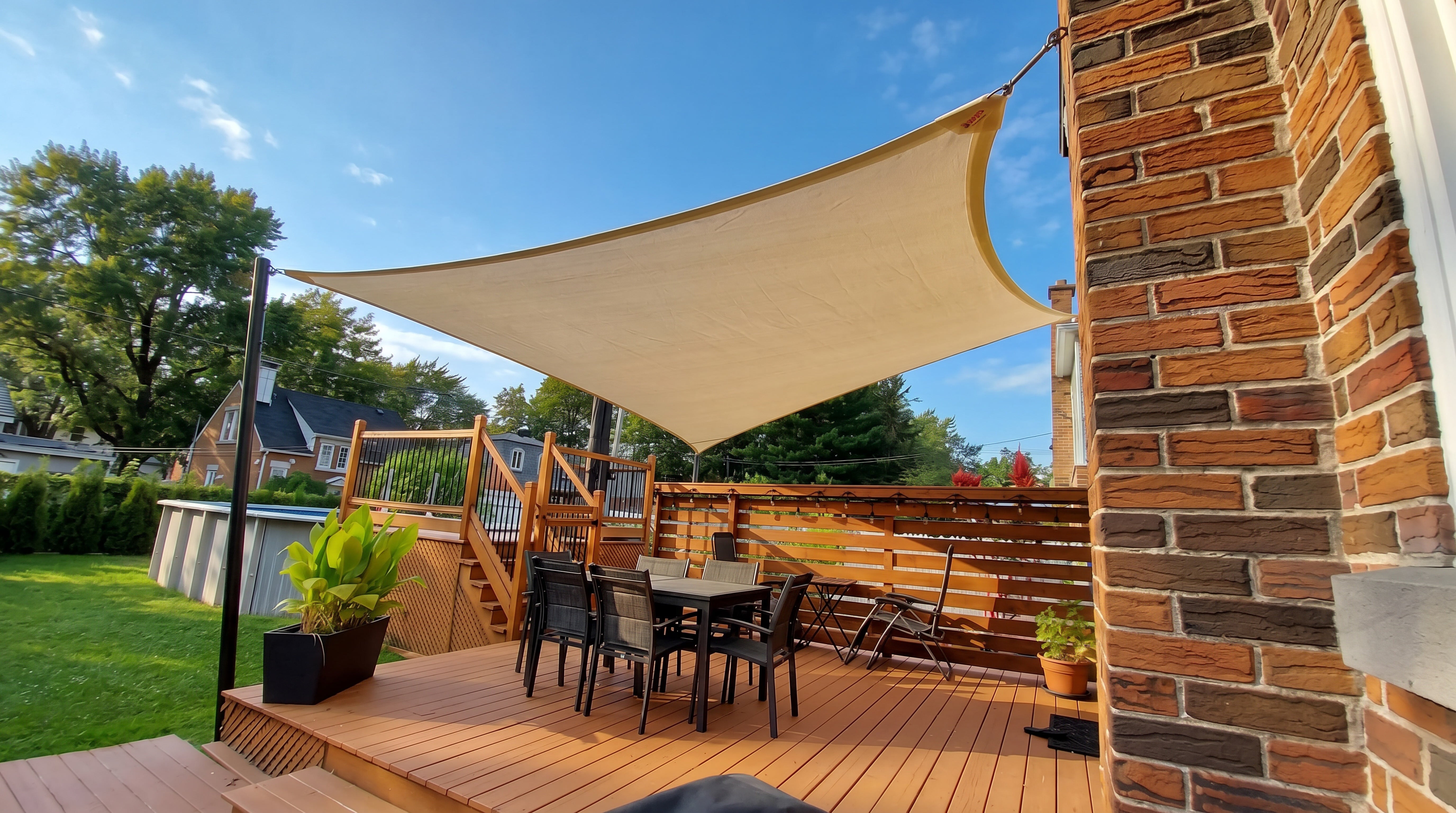
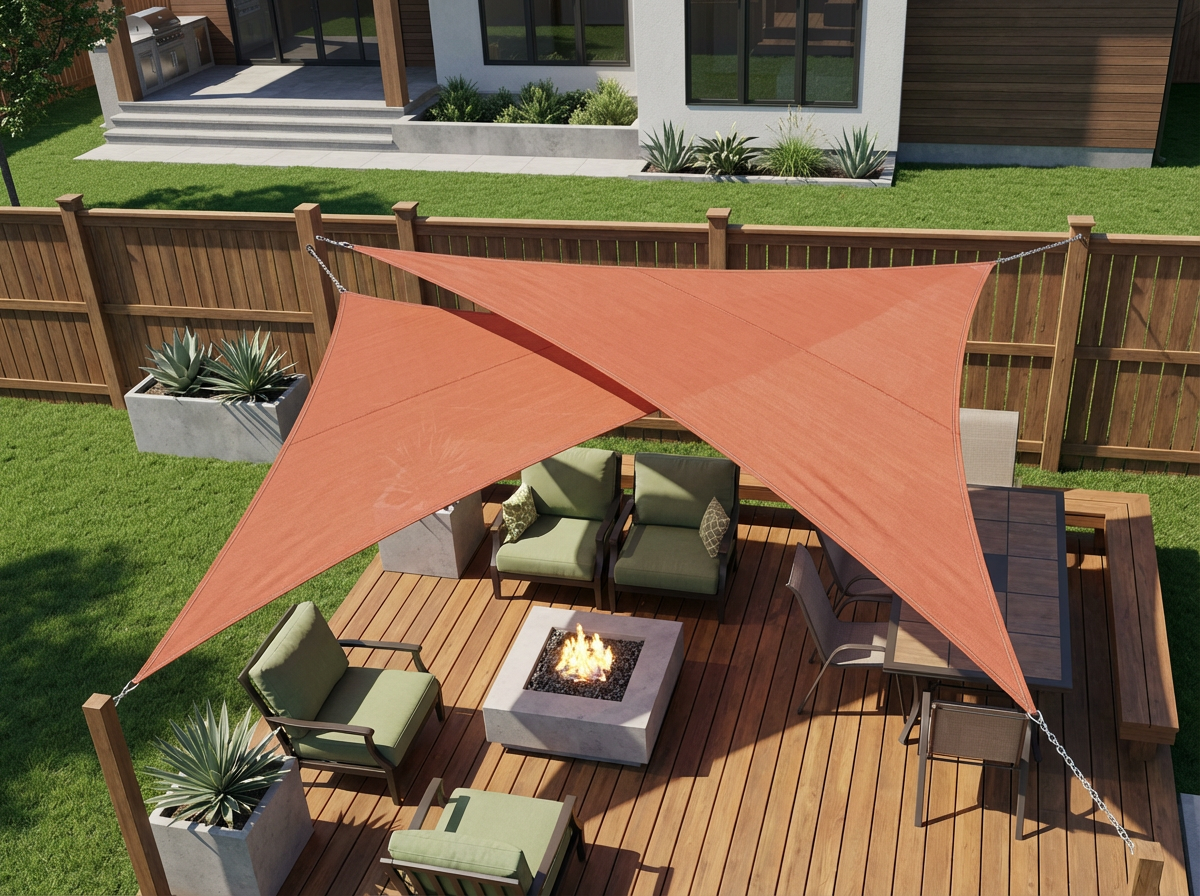
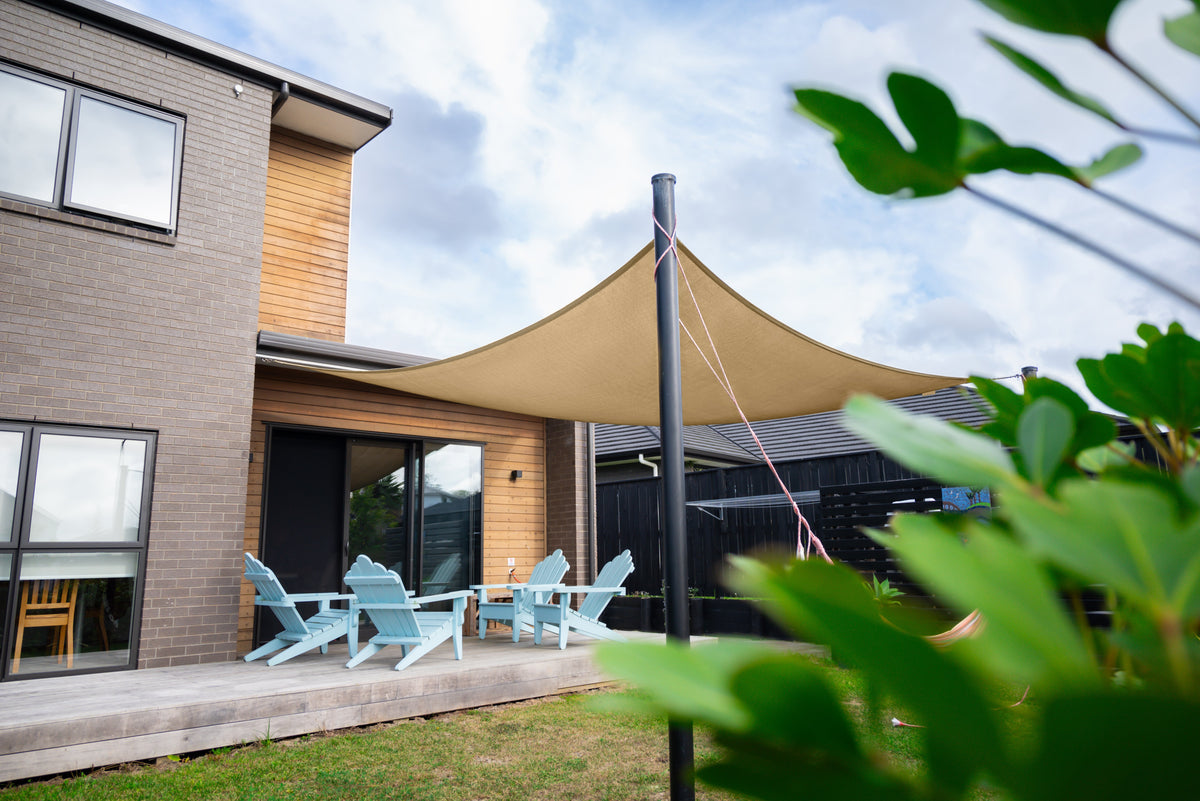
A Shade Sail can provide this external shade while also making patios, decks, and outdoor living areas more comfortable.
East- and West-Facing Homes Need the Right Shade
The direction your house faces matters.
East-facing areas receive morning sun, while west-facing walls and windows get afternoon sun. In tropical and other hot climates, western sun can be particularly harsh because it arrives during one of the hottest parts of the day while also sitting lower in the sky.
This means a roof overhang or Shade Sail that works perfectly at midday may provide very little protection at 4 p.m. If the sun passes underneath the shade and still hits your windows, you aren't getting the full benefit.
If reducing cooling costs is one of your goals, don't design your Shade Sail based only on what the area looks like from above.
Go outside during the hottest part of the afternoon and look at:
- Which windows and glass doors receive direct sun
- Which walls become particularly hot
- Where sunlight passes underneath existing rooflines
- Which patios, concrete areas, or decks are exposed for hours
This will give you a much better idea of where your Shade Sail needs to cast its shade.
How a Shade Sail Can Save Electricity
Your air conditioner uses electricity to remove heat from your home. Reducing the amount of heat entering the building can therefore reduce the cooling demand placed on the system.
For example, consider a large west-facing sliding glass door opening onto an exposed concrete patio.
By mid-afternoon, the glass, surrounding wall, and concrete may all be receiving direct sunlight. A Shade Sail positioned to shade that area can intercept a portion of the direct sun before it reaches those surfaces.
The result is a more comfortable outdoor area and less direct solar heat around that side of the house.
There isn't a single percentage or dollar saving that applies to every home. The result will depend on your climate, insulation, windows, air-conditioning system, thermostat settings, house orientation, and the size and position of the Shade Sail.
The important part is positioning the shade where it will actually help.
Design Around the Sun, Not Just the Patio
If home cooling is one of your objectives, Shade Sail positioning becomes particularly important.
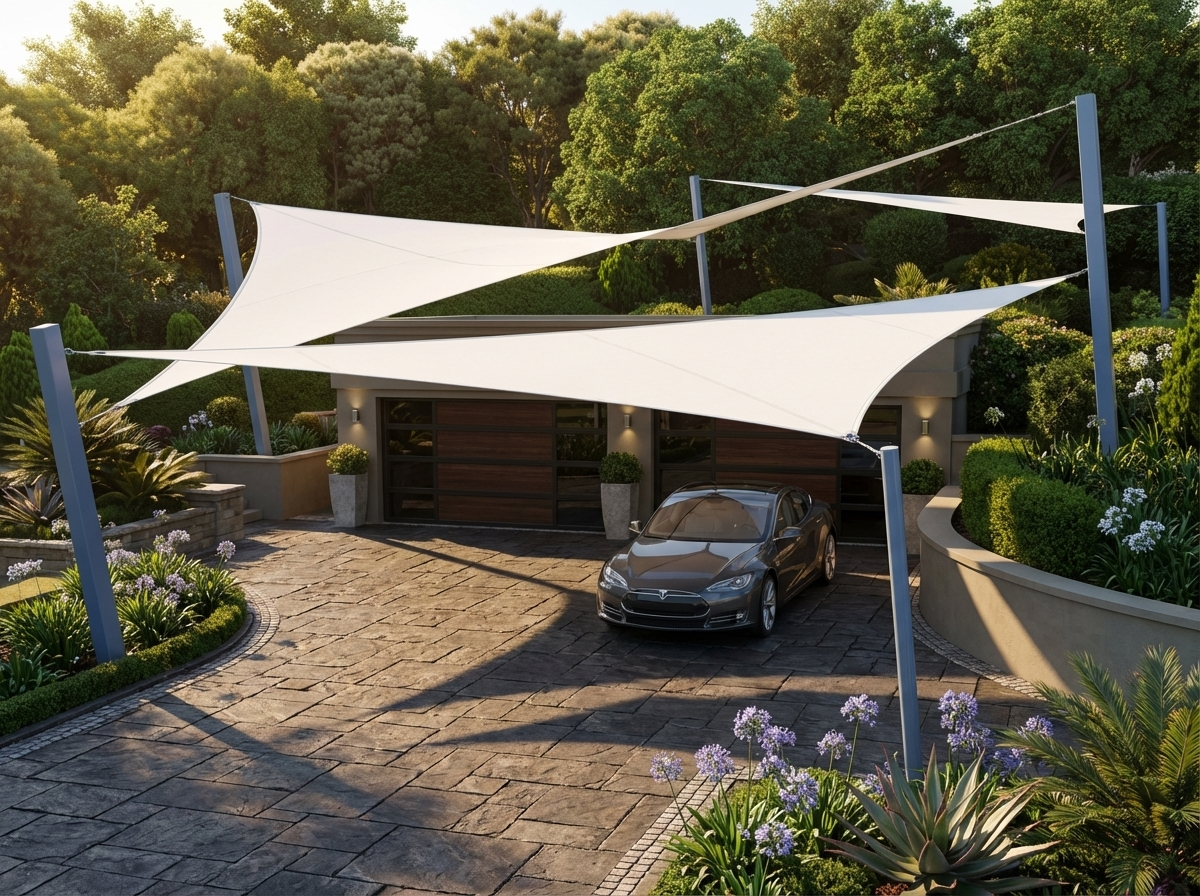
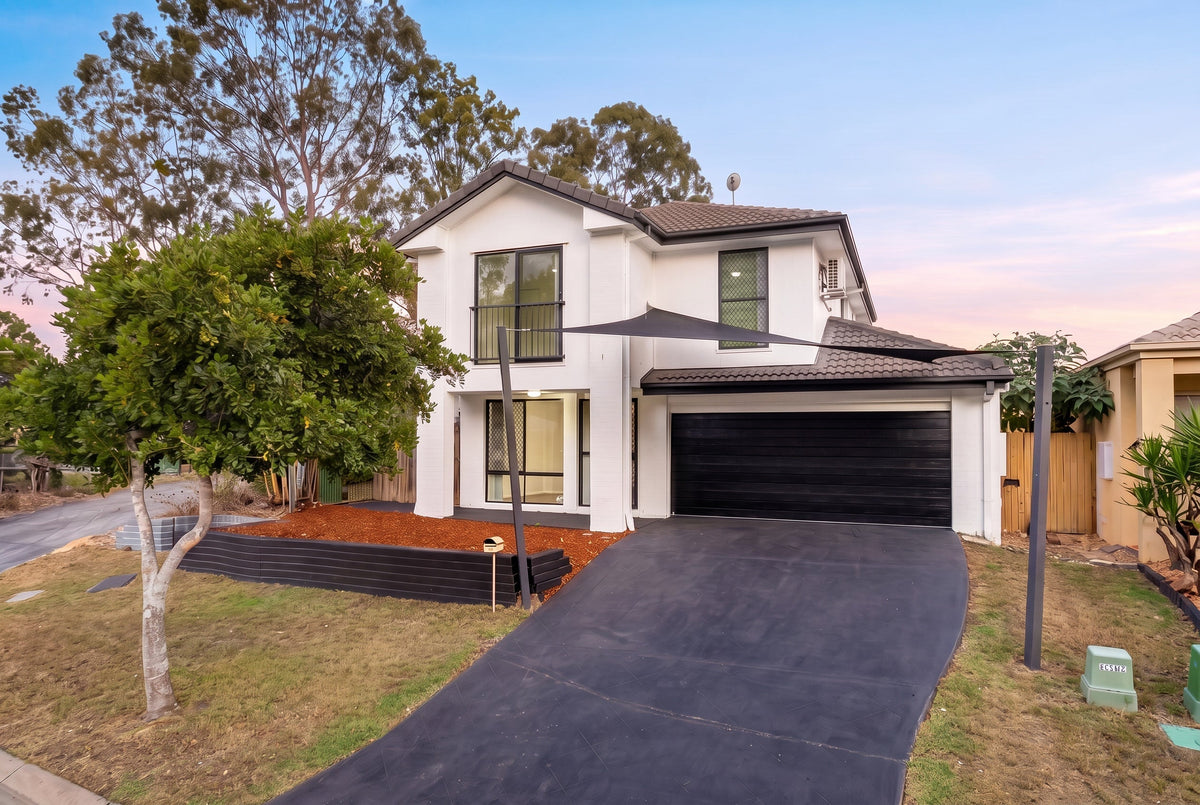
A large Shade Sail installed high above a patio might provide excellent overhead shade at noon. But if low western sun travels underneath it later in the afternoon and hits the windows, then you may be able to better plan the sail's position, angle, size, or fixing-point heights to provide better protection for longer.
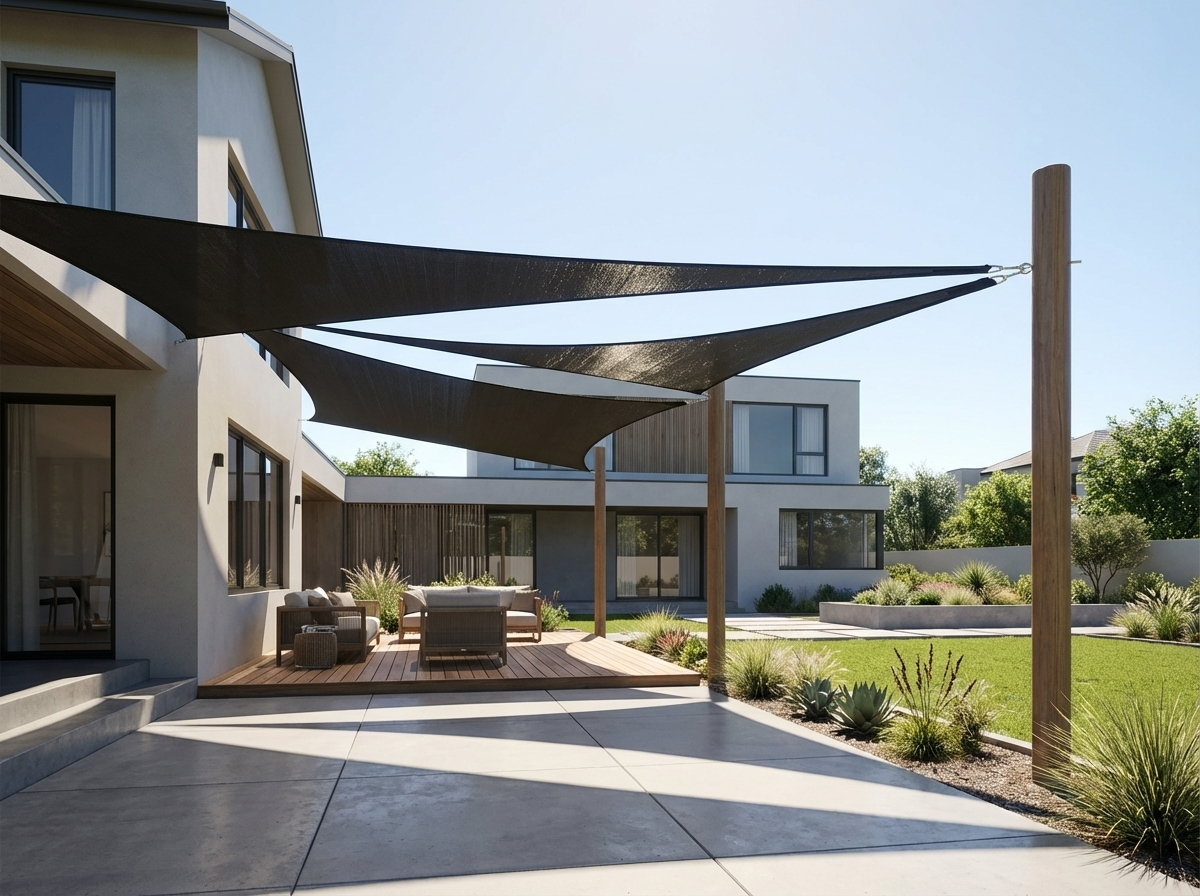
This is where a custom-made Shade Sail can be useful. Rather than making a predetermined sail size fit the available space, a custom Shade Sail is manufactured around your actual measurements and fixing-point layout of your property.
Good DIY planning at the start will make a significant difference to where the finished shade falls throughout the day.
Combine Shade With Other Cooling Improvements
A Shade Sail shouldn't be treated as a replacement for good insulation, efficient air conditioning, suitable windows, ceiling fans, or sensible ventilation.
Instead, exterior shading can form part of your overall cooling strategy.
In a hot climate, concentrating on the most exposed side of the house can be a practical place to start. Shading large east- or west-facing windows and hot outdoor surfaces may be more useful than simply trying to cover the largest possible area.
Breathable knitted Shade Sail fabric also allows air to move through the fabric while providing protection from direct sunlight without restricting the areas airflow, making it well suited to outdoor shade in hot climates.
Can a Shade Sail Really Save You Electricity?
A Shade Sail can help save you electricity when it reduces direct solar heat around an air-conditioned home.
The biggest opportunity is often on homes exposed to strong morning or afternoon sun, particularly where large east- or west-facing windows receive direct sunlight for several hours.
There is no guaranteed percentage saving, but the principle is straightforward: if you can reduce unwanted heat entering your home, there is less heat for your cooling system to remove.
Before designing your Shade Sail, watch where the sun hits your house during the hottest parts of the day. Then use Shade Space's guides to plan & design your custom Shade Sail and position the shade sail so that shade falls where you need it most.




Share:
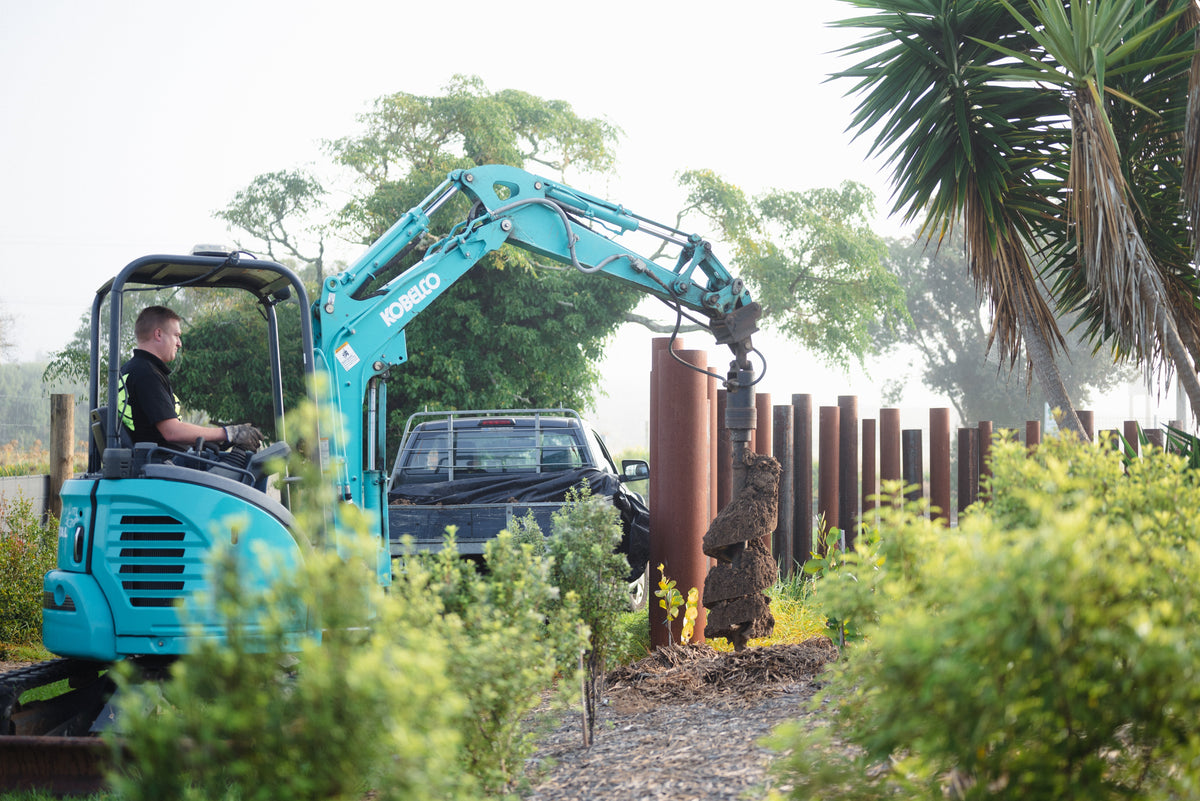
DIY Shade Sail Installation vs Hiring a Contractor
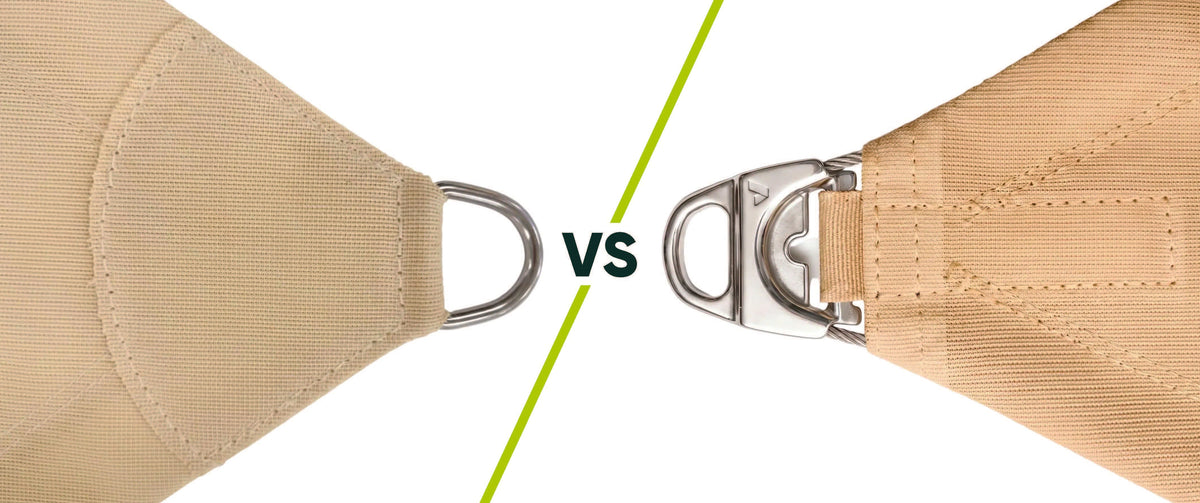
Webbing vs Wire Edge Shade Sails: Which Is Best?