


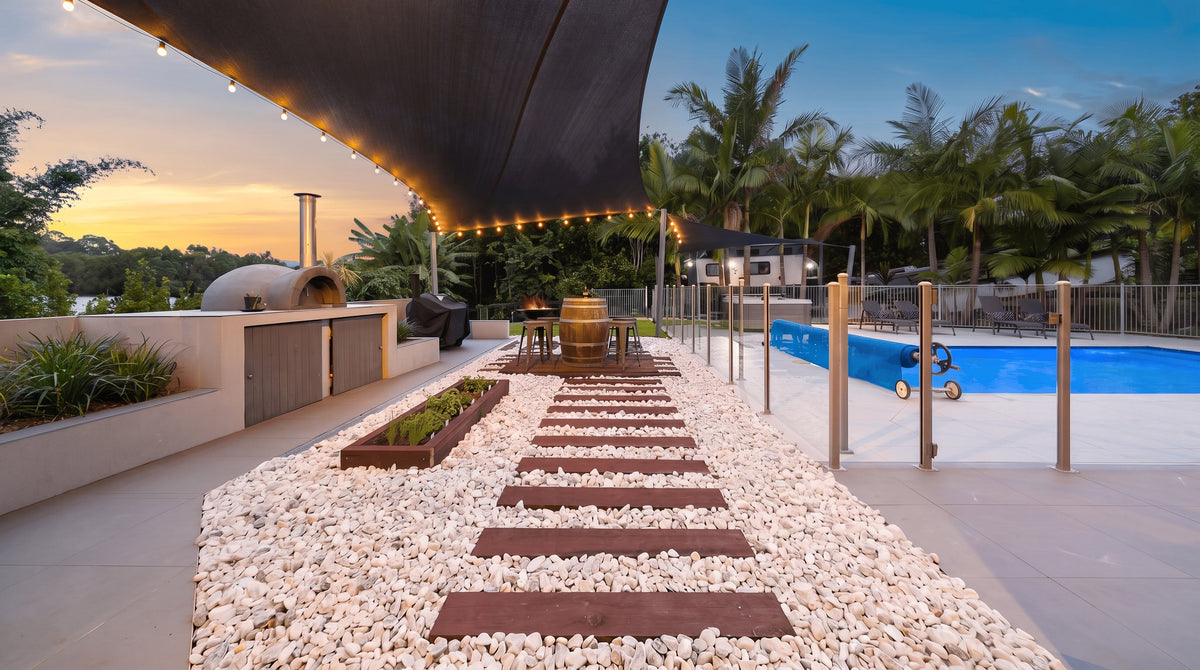
Shade Sails are one of the most practical ways to create a cooler, more comfortable outdoor area in Australia’s harsh climate. They can provide shade over patios, pools, playgrounds, decks, and outdoor entertaining spaces without enclosing the area or restricting airflow.
Choosing the right Shade Sail involves more than selecting a shape or color. The right Shade Sail Fabric, size, fixing-point placement, sun direction, wind exposure, and installation will provide years of reliable shade while complementing your home.
Here is what you should consider when choosing a Shade Sail for your outdoor space.
1. Assess What You Need From Your Shade Sail
Start by deciding what you want your Shade Sail to achieve. Every outdoor area is different, so clearly identifying your priorities will make it easier to choose the right design.
If your main goal is UV protection, Premium shade fabric that offers high UV blocking while still allowing air to circulate will be your best choice. Quality shade fabrics such as Extrablock 330 and Monotec 370 can block up to 98% of harmful UV radiation while remaining breathable.
If your trying to reduce heat, fabric color also plays an important role. Lighter colors generally reflect more sunlight and can help create a brighter area underneath. Darker colors provide stronger visual shade and excellent UV protection.
A Shade Sail should be positioned for useful shade rather than simply centered over the area. Before planning your mounting points, observe where the sun falls at different times of day.
2. Choose the Right Shade Sail Fabric
Fabric is one of the main factors affecting the appearance, strength, and long-term performance of a Shade Sail. Shade Space offers several knitted HDPE fabric options for different applications and budgets.
Monotec 370 is Shade Space’s premium, heavy-duty option. Its monofilament construction provides excellent stability and shape retention, making it well suited to larger Shade Sails and exposed locations.
ExtraBlock 330 is a commercial-grade fabric that suitable for premium residential and commercial Shade Sail projects. It offers up to 98% UV protection and flame-retardant performance.
Commercial 95 is a versatile all-round fabric that combines strength, airflow, UV protection, and a broad color range for residential and commercial projects.
Shadetec 320 is a cost-effective residential option which provides reliable UV protection suited for many small and medium-sized Shade Sails.
The best fabric is not always the heaviest available. Sail size, exposure, and appearance should all be considered. Our Shade Sail Fabrics Guide provides a more detailed comparison of the available options.
3. Measure Carefully and Plan the Layout
Accurate measurements are essential for a well-fitted custom Shade Sail. The size, shape and positioning of the sail will all influence how well it performs.
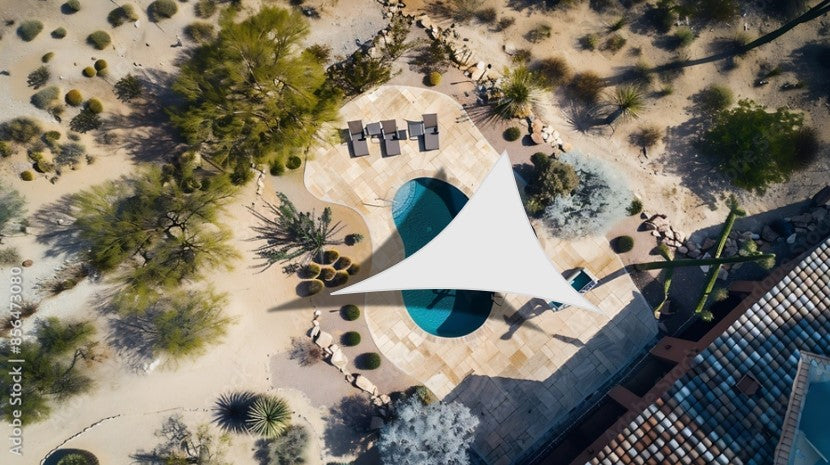
Triangular Shade Sails can work well in smaller areas or where a sharp architectural appearance is wanted. However, they usually provide less shade than a square or rectangular sail.
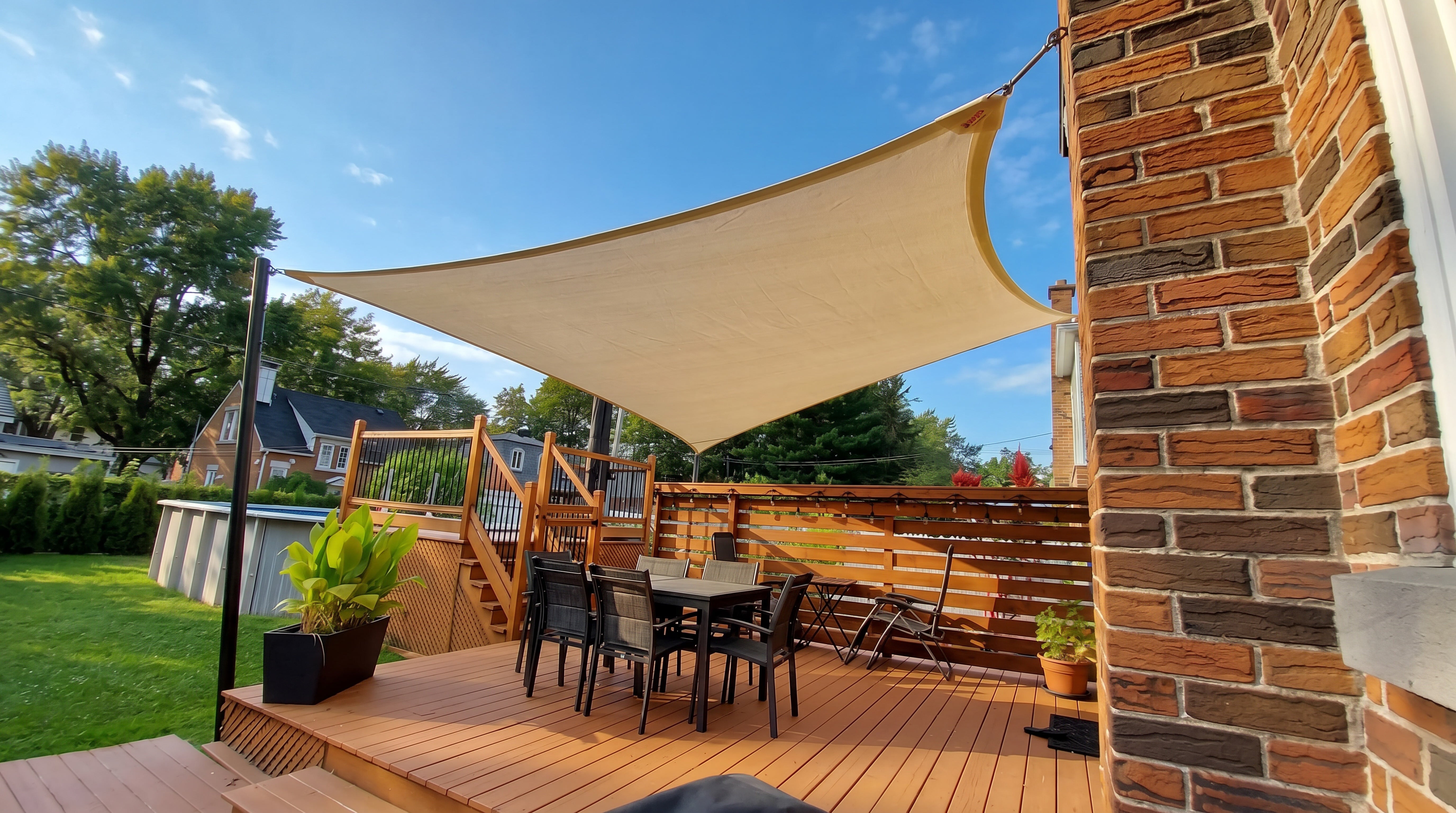
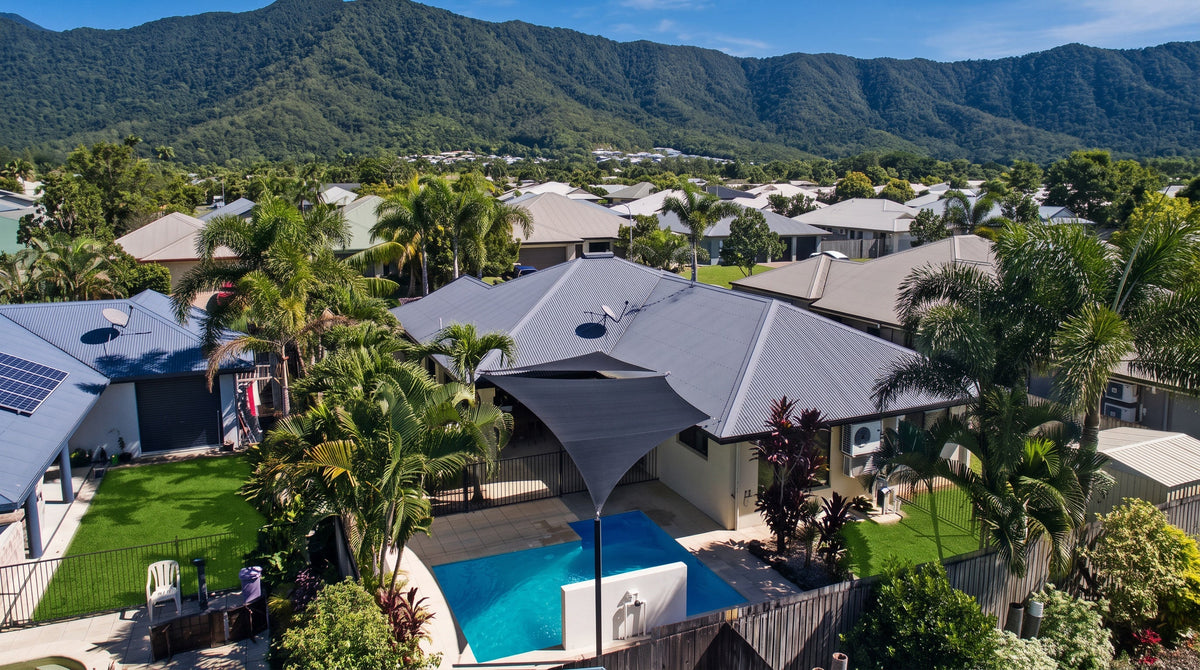
Square and rectangular Shade Sails often provide greater shade coverage, so become the preferred choice for patios, decks, pools, and outdoor entertaining areas.
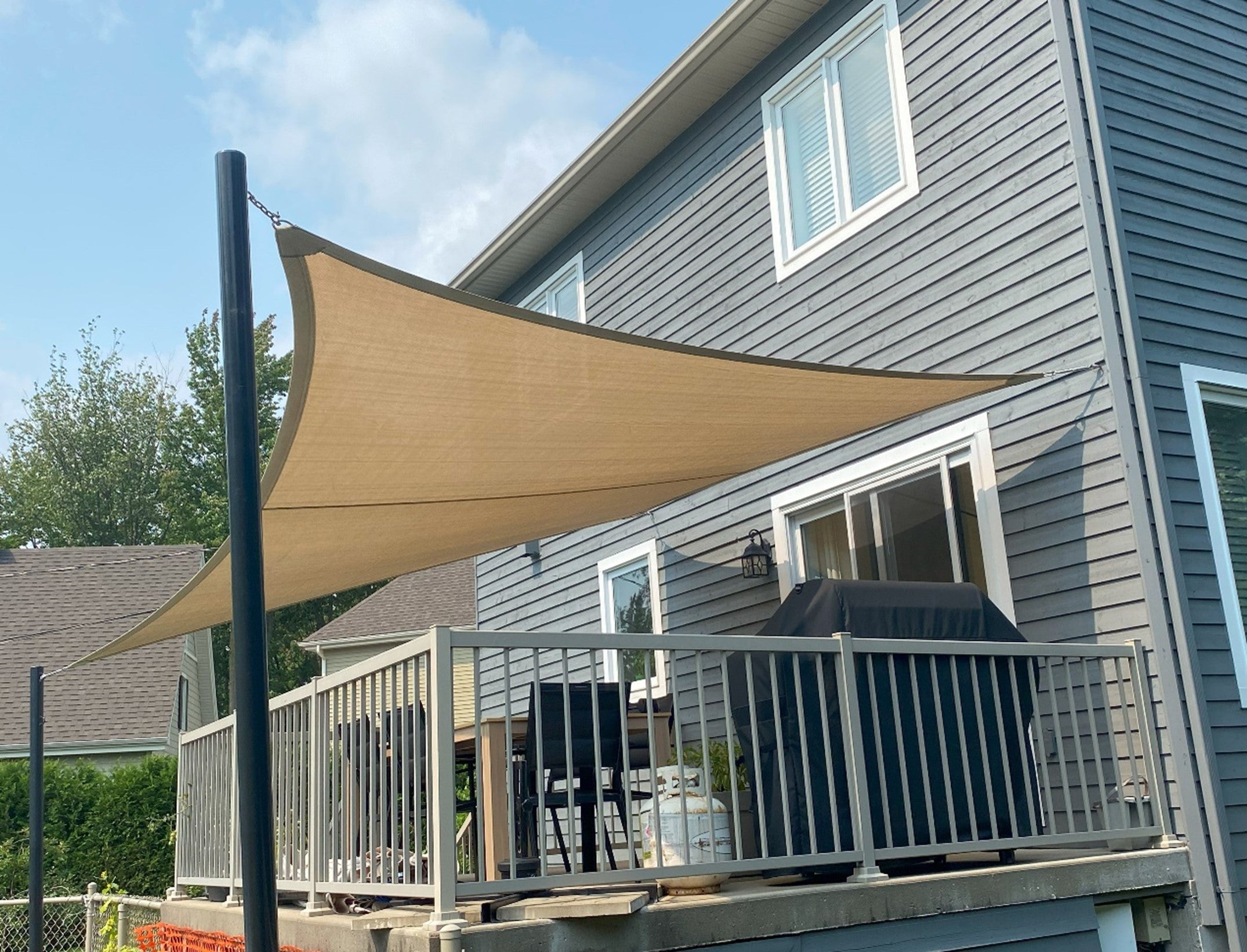
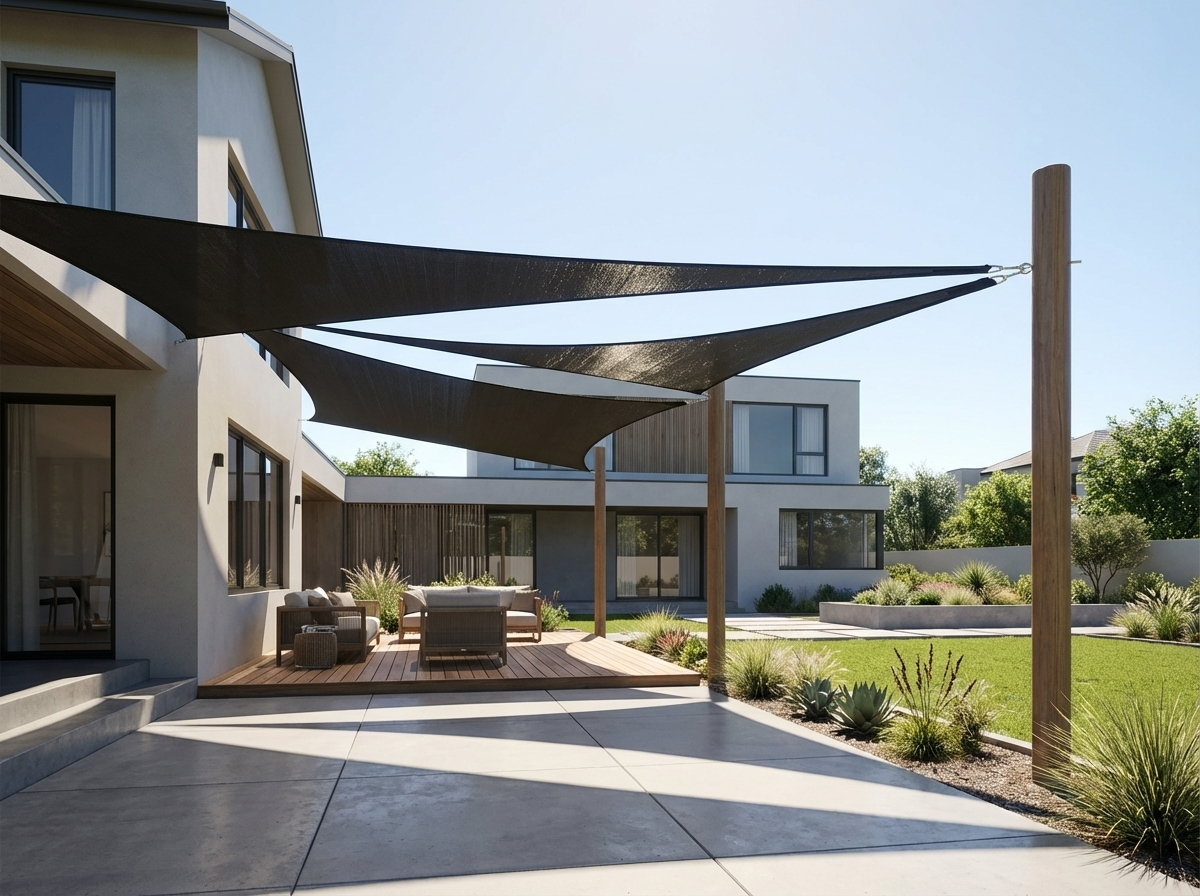
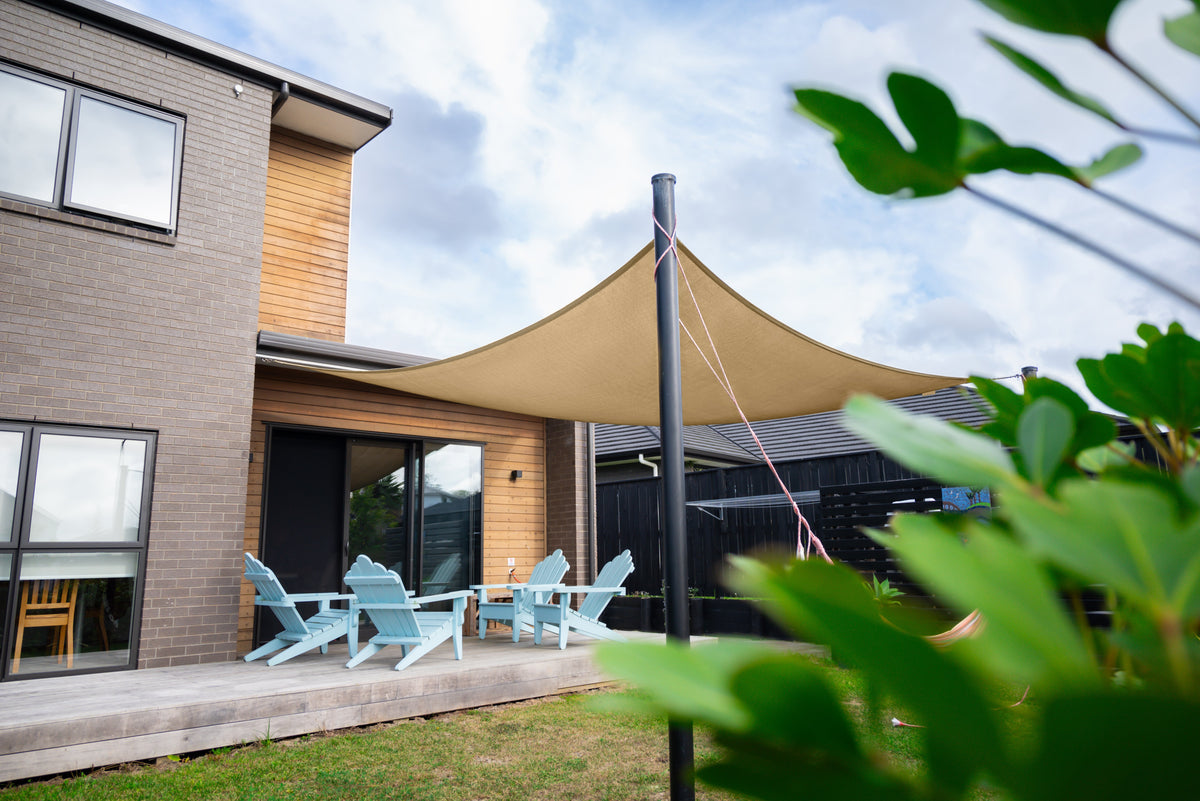
Alternating high and low fixing points creates a Hypar, (hyperbolic paraboloid) shape and helps distribute tension across the fabric.
4. Design for Australian Climate
Australia's climate can vary significantly, so your Shade Sail should be designed with local wind and weather conditions in mind.
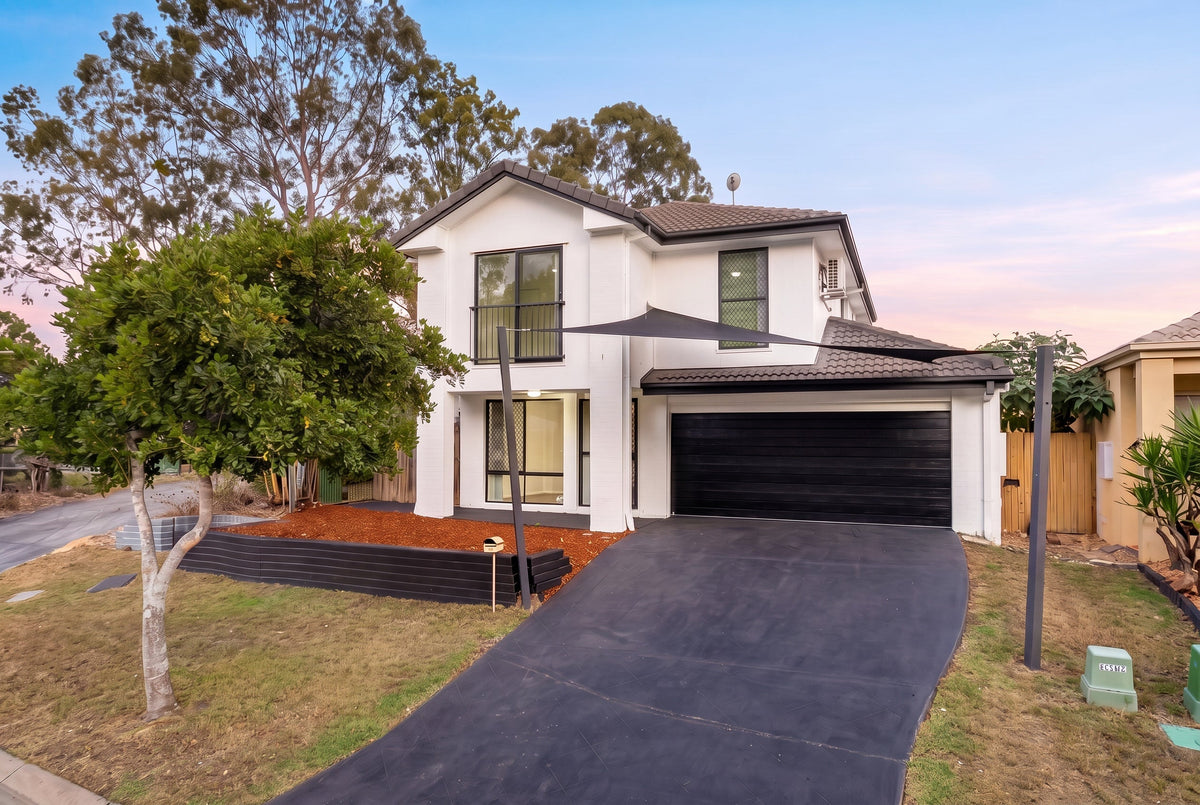
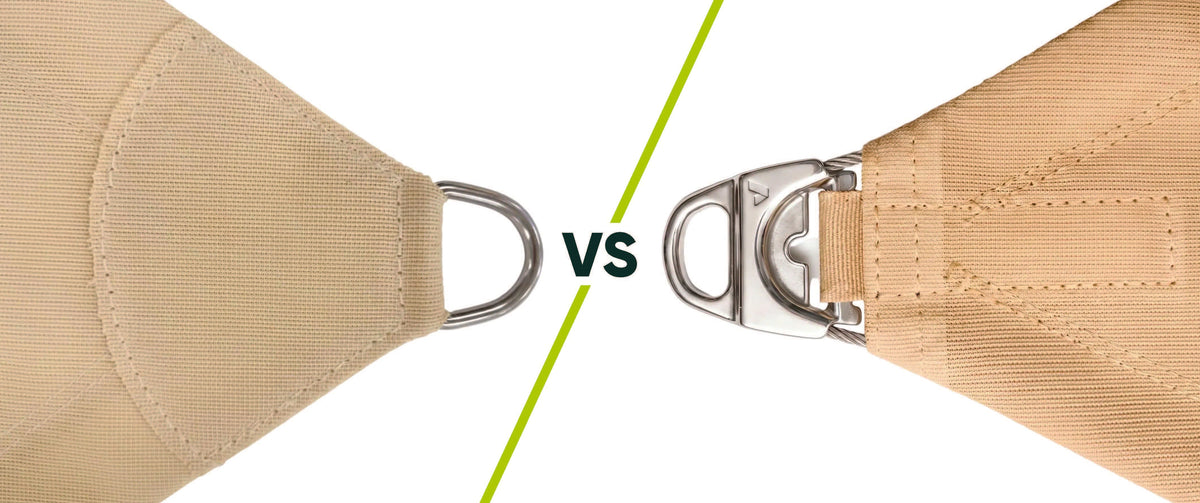
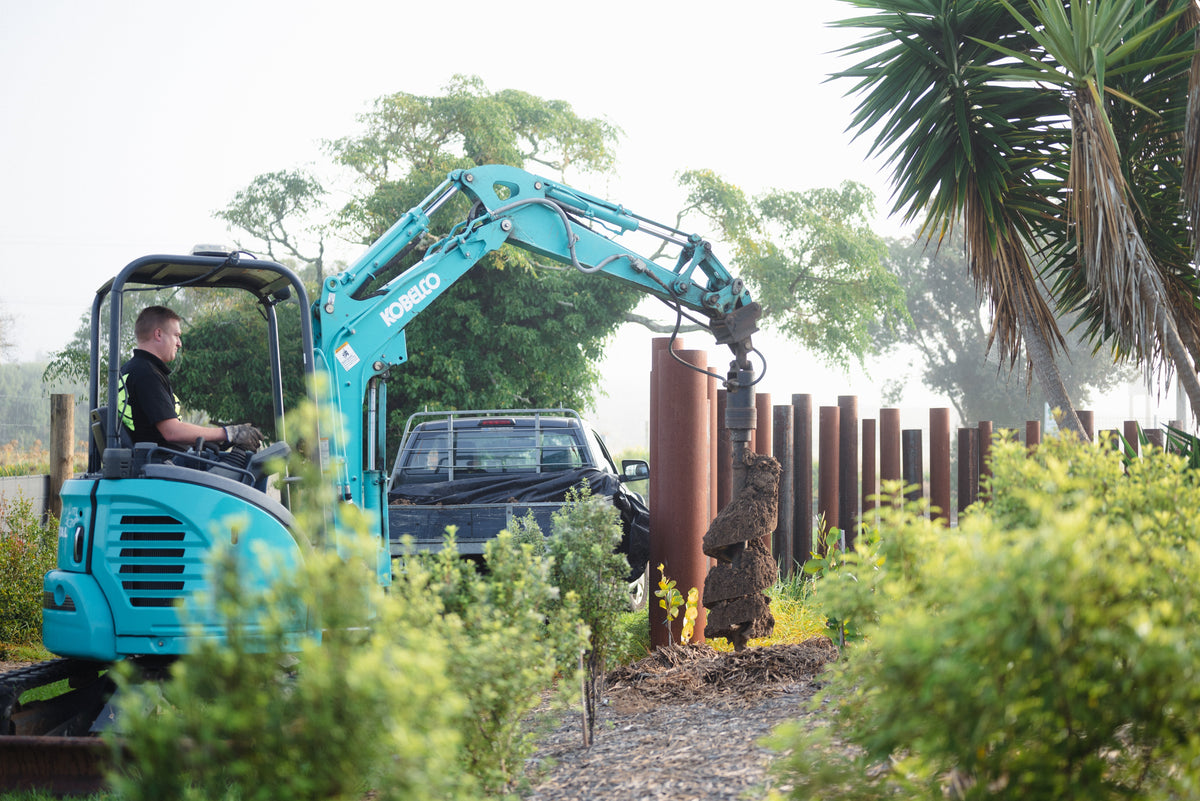
Strong wind creates significant loads on both the sail and its mounting points. Use properly sized steel posts, quality Shade Sail hardware, and structurally sound mounting points.
Knitted Shade Sail fabric is designed to allow air and rain to pass through. As a guide, a slope of at least 1 to 4 for height difference will give you some Hypar shape which helps maintain proper tension, reducing excessive movement and prevent debris build-up.
5. Select a Style That Complements Your Home
A Shade Sail should work with your house, landscaping, fencing, and other outdoor features so it enhances your space as well as providing protection.
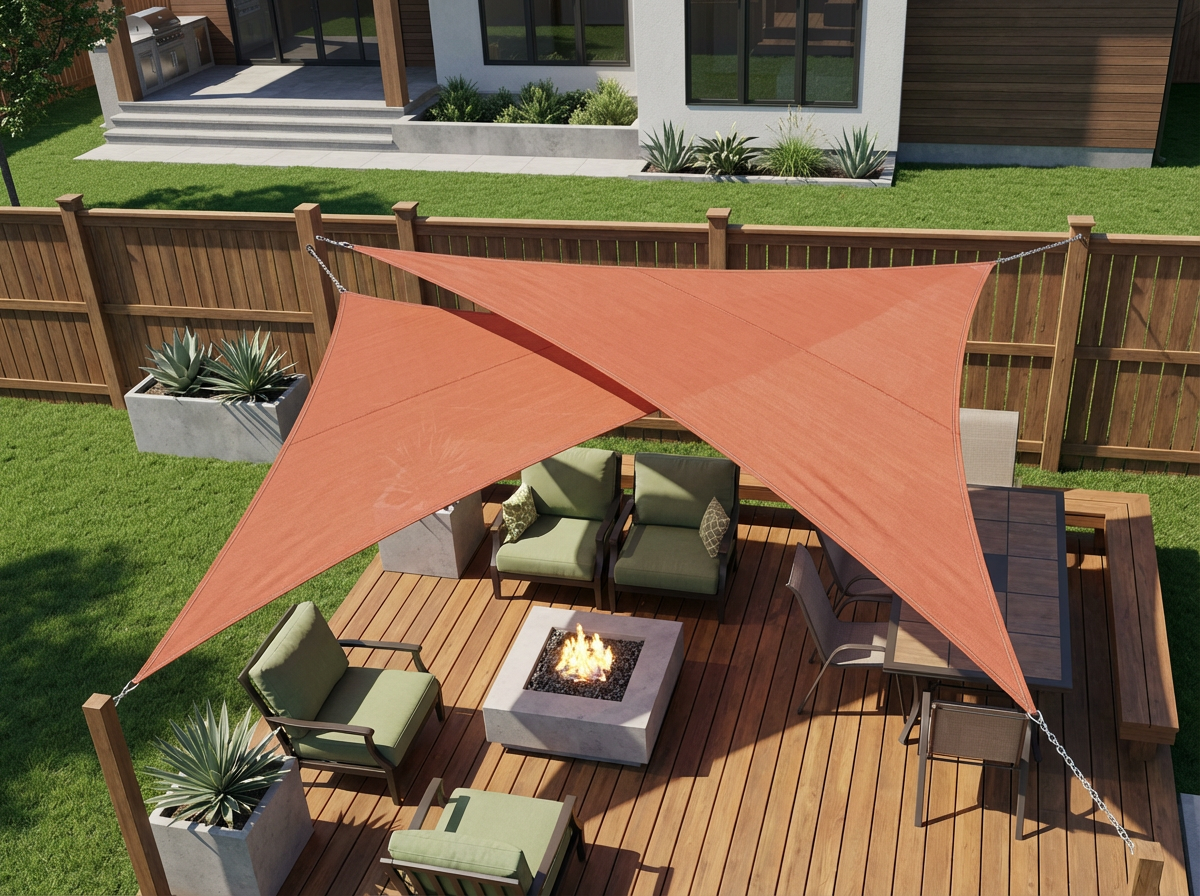
Neutral colors can blend naturally with modern homes and established gardens. Darker colors often create a bold architectural feature, while lighter tones can brighten an outdoor area making it feel more open.
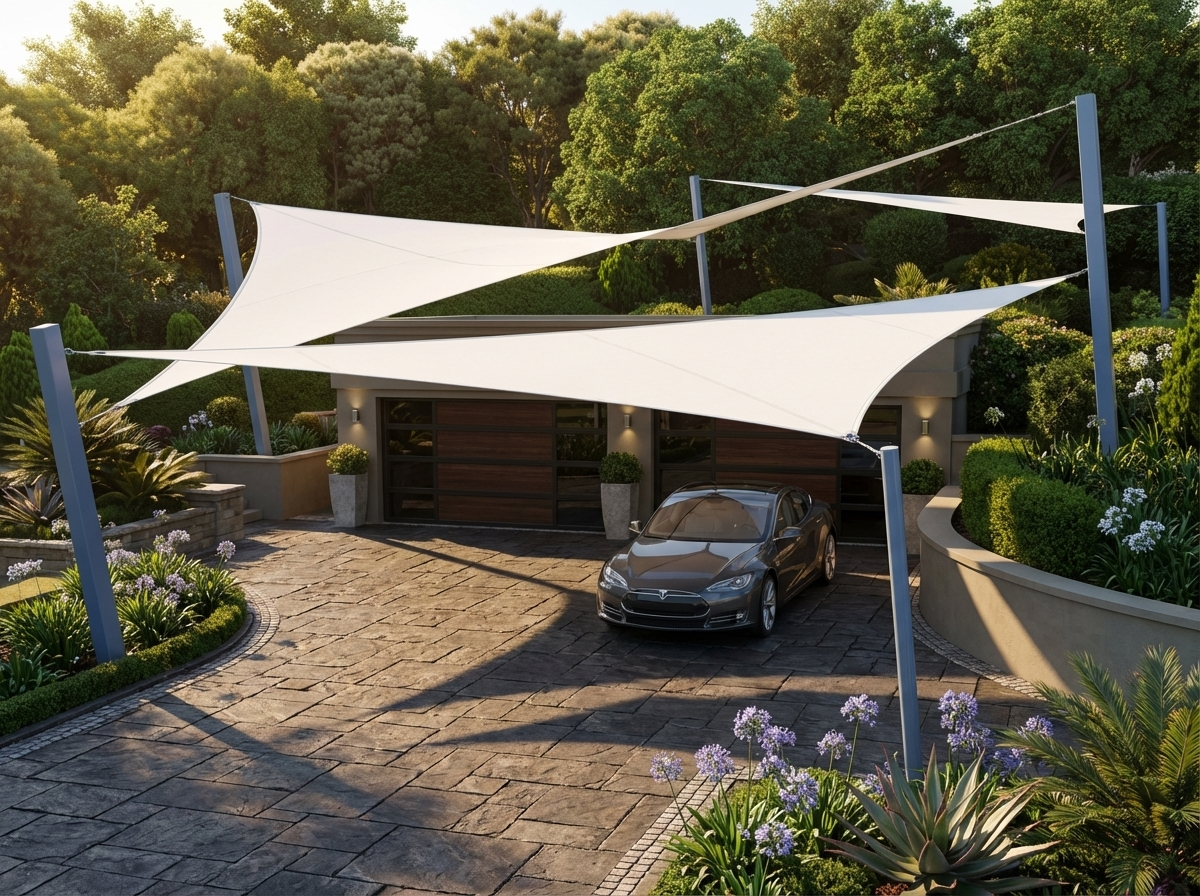
Multiple Shade Sails of varying heights and contrasting colours can create an eye-catching design while also shading a larger area throughout the day. Read our Guide to Choosing the Best Color.
6. Keep Your Shade Sail Performing
Routine maintenance will help maximize the lifetime of your Shade Sail.
Clean the fabric when needed using water, mild detergent, and a soft brush. Inspect the fixing hardware and mounting hardware for signs of wear, corrosion or movement. Small tension adjustments helps preserve the sail's shape and reduce unnecessary movement during windy conditions.
Planning routine maintenance will help you identify small issues before they become expensive repairs.
7. Choose a Sail Made for the Space
A custom-made Shade Sail is manufactured to suit your exact measurements and intended layout. Allowing the sail to be designed for the correct tension, improving the sails longevity and providing a more professional finish than trying to adapt an off-the-shelf alternative.
Careful measurement, quality fabric, suitable hardware, and a custom-made Shade Sail will provide better long-term value than replacing a poorly fitted sail every few years.
Conclusion
Choosing the right Shade Sail for your needs in Australia comes down to understanding your space, and creating a custom-made Shade Sail which will provide reliable UV protection, improve outdoor comfort, and add lasting value to your home.
If you're planning a new Shade Sail project, explore Shade Space's planning guides and custom-made Shade Sail options to design a sail that perfectly fits your area and will be an attractive, durable solution that performs for years.





Share:
Why We Offer Water-Resistant, Not Waterproof Shade Sails
Creative Shade Sail Design Ideas for Modern Homes