




Choosing the best grass for your yard can make a big difference to how your lawn looks, feels, and performs throughout the year. Some grasses handle heat better, while others stay greener in colder climates. Certain varieties are built for heavy foot traffic, while others work better in shaded areas.
Before planting a new lawn or repairing an existing one, it helps to understand the main differences between popular grasses.

Below are 7 different grass types explained:
Kentucky Bluegrass is known for its soft texture and rich green color. It creates a dense, attractive lawn but usually needs regular watering and maintenance to stay looking its best.
It performs well in full sun and is commonly used in northern climates.
Tall Fescue is one of the more durable cool-season grass types. It has deep roots, handles drought better than many other lawn grasses, and works well in both sun and partial shade.
This grass is often chosen for family yards because it tolerates foot traffic reasonably well.
Fine Fescue varieties are commonly used in shaded areas where other grasses struggle. They require less mowing and less fertilizer, making them a lower-maintenance option.
They are best suited to cooler climates and lighter-use lawns.
Perennial Ryegrass germinates quickly and is often used for patch repairs or overseeding. It creates a neat-looking lawn and handles foot traffic well.
Because it establishes fast, it is commonly mixed with other cool-season grasses.
Bermuda Grass is popular in warmer regions because of its durability and ability to handle heavy traffic.
It grows aggressively, tolerates heat extremely well, and works best in full sun. Sports fields and active family lawns often use Bermuda Grass for this reason.
Zoysia Grass forms a thick lawn that feels soft underfoot while still handling traffic well. It grows slower than Bermuda Grass but requires less mowing once established. Zoysia also has better cold tolerance than some other warm-season grasses.
St. Augustine Grass is commonly used in coastal and southern areas. It performs better in partial shade than many warm-season grasses and develops a dense lawn.
It does require regular watering and is less tolerant of colder weather.
How to Choose the Right Grass Type
The best grass for your yard depends on several factors:
- Climate and temperature
- Amount of sunlight
- Water availability
- Lawn traffic
- Maintenance expectations
For example, a heavily used backyard in a hot climate may suit Bermuda Grass, while a shaded yard in a cooler area may perform better with Fine Fescue.
It is also common to use blended grass seed mixes to improve durability and year-round appearance.
Lawn Care Matters Too
Even the best grass type still needs proper lawn care. Watering correctly, mowing at the right height, aerating compacted soil, and fertilizing when needed all help maintain a healthier lawn. If you're sowing a new lawn, this Grass Seed Calculator can help you estimate how much seed you'll need before you get started.
Choosing the right grass from the beginning simply gives your lawn a better chance of long-term success.










Share:
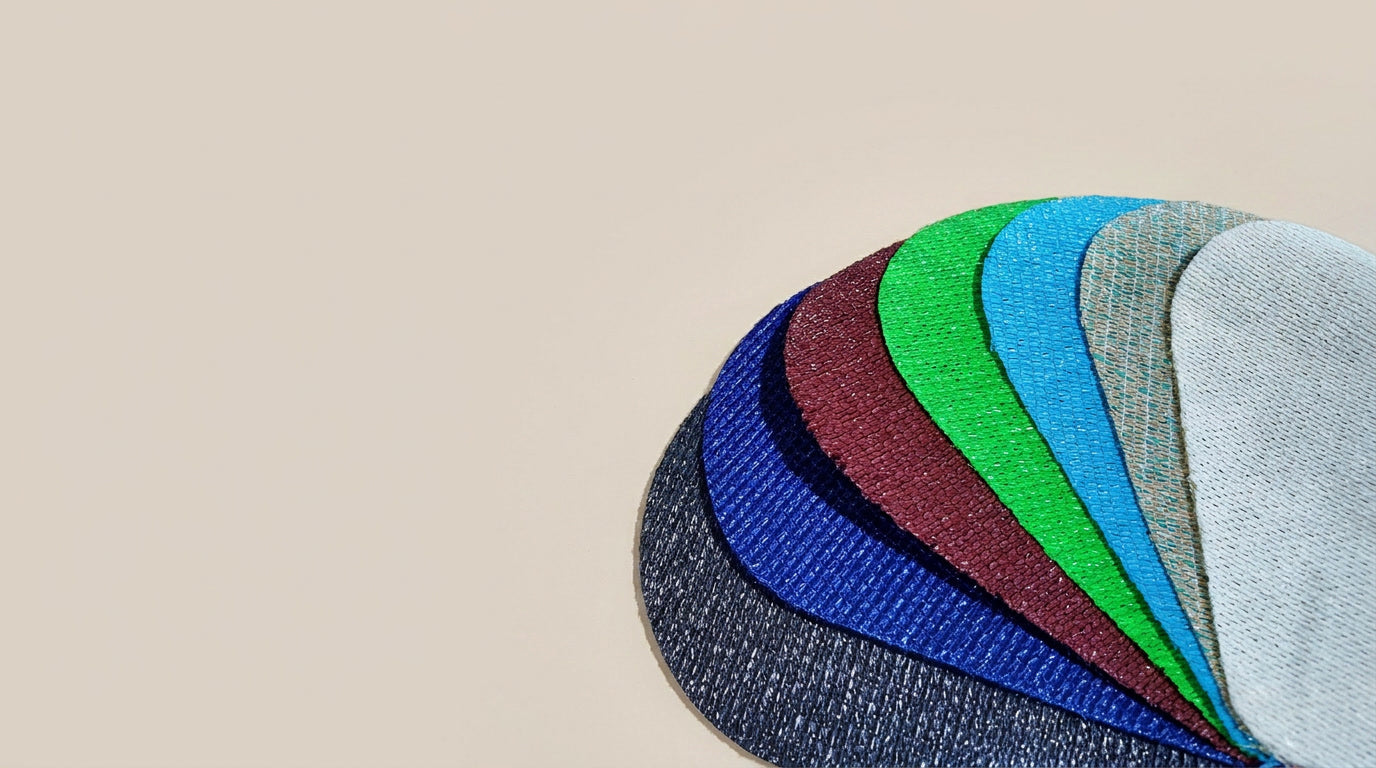
Shadetec 320 Shade Sail Fabric Overview